Rhino Roofing & Restoration

Roof Maintenance in Taylors, SC

Roof maintenance in Taylors, SC helps owners find loose, worn, blocked, or aging details before a small opening becomes an interior repair. Rhino keeps the work tied to the actual roof condition.

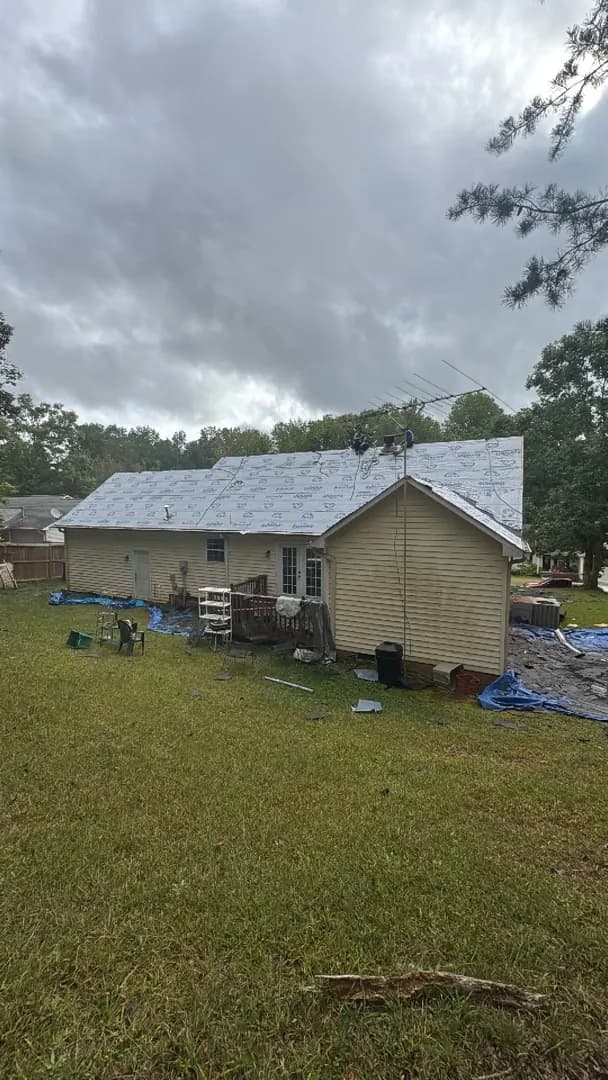
Asphalt shingle roof on an Upstate South Carolina home

What roof maintenance can—and cannot—do

Routine attention can clear a blocked drain, remove valley debris, correct a raised fastener, renew a small sealant joint, or catch a cracked pipe boot before the next hard rain. These tasks are modest, but they protect some of the roof's busiest details. A short visit can also create photographs that show whether wear is changing over time.

Maintenance cannot restore brittle shingles, dry wet insulation, or correct poor installation across an entire roof. Rhino separates items that can be serviced from defects that need repair and systems that are no longer dependable. That honest split matters to an older homeowner, a buyer working toward closing, and a manager preparing next year's roof budget.

01Service guide

A practical roof maintenance checklist

The roof covering is checked for missing, lifted, cracked, punctured, or heavily worn areas. Ridges, edges, seams, exposed fasteners, and prior repairs receive a closer look. On low-slope roofs, service paths and spaces around mechanical equipment can reveal damage that is not visible from the ground.

Water paths come next. Valleys, gutters, downspouts, drains, scuppers, and overflow openings should stay free enough to move rain. Debris packed behind a chimney or curb can hold moisture and redirect it beneath a flashing edge. Drainage maintenance protects the roof and the walls, trim, and foundation below.

Penetrations and transitions often age faster than the open field. Pipe collars, vents, skylights, walls, chimneys, curbs, counterflashing, and sealant joints are reviewed for cracks, gaps, movement, or failed attachment. Rhino notes which items need work now and which can remain on the watch list.

  • Roof surface

    Shingles, metal, or membrane are checked for movement, wear, cuts, and repair history.

  • Drainage

    Valleys and outlets are reviewed for debris, backup, overflow, and signs of standing water.

  • Penetrations

    Boots, vents, curbs, skylights, and attached equipment are checked at their roof connections.

  • Edges and walls

    Rakes, eaves, perimeter metal, siding junctions, and flashing terminations receive focused attention.

02Service guide

When to schedule roof maintenance

A useful schedule depends on roof age, material, tree cover, building use, access, and past trouble. A newer open roof may need less attention than an older system beneath branches or a commercial membrane visited by several service trades. Rhino can suggest timing after seeing the property rather than applying one calendar to every roof.

Storms create another checkpoint. After strong wind, hail, or a fallen limb, look safely from the ground for loose pieces, displaced trim, or debris. A maintenance visit can document ordinary wear and storm-related change without assuming an insurance claim belongs in every situation.

Real-estate deadlines and planned exterior projects are also good times for a review. A roof should be checked before new siding covers flashing, before solar or mechanical equipment adds penetrations, and before a sale turns a small documented item into a late negotiation. Early coordination costs less than reopening finished work.

03Service guide

Cleaning the roof without causing damage

Homeowners should not climb onto a roof to sweep leaves or clean stains. Pitch, morning dew, loose granules, metal, and wet membrane can make a familiar surface dangerous. Pressure washing can remove shingle granules, force water beneath laps, damage coatings, and disturb aging details. The cleaning method must fit the material.

Branches should be trimmed by a qualified tree professional when they rub the roof or create a falling risk. Removing shade alone will not repair algae staining, and cutting a large limb above the house creates its own hazard. The roofer can describe the roof concern while the tree company manages the tree safely.

Gutter and drain cleaning should leave outlets open without pushing debris into underground lines or across the roof. On a commercial system, bags, tools, and removed material should not block overflow routes while work is underway. Cleanup includes checking that no sharp screw or wire remains on the membrane.

04Service guide

Minor service item or roof repair?

A small nail pop or limited sealant touch-up may fit a maintenance visit when the surrounding assembly is sound. Rhino has handled small items during some inspections rather than turning them into large proposals. That practical approach does not mean every raised fastener or cracked joint can be sealed from the surface.

Loose flashing, broken shingles, open seams, wet insulation, failed pipe boots, and active leaks often need a defined repair scope. Opening material may be necessary to restore the layers beneath. Calling the work a maintenance item should not reduce a multi-layer failure to a dab of caulk.

Widespread wear may lead to replacement planning. Rhino explains when continued small work has stopped providing good value or a repair cannot be responsibly tied into brittle material. The goal of maintenance is better timing and fewer surprises, including an honest warning when the roof has little serviceable life left.

05Service guide

Build a roof history that stays useful

Keep inspection photos, maintenance dates, invoices, leak locations, warranty papers, and product information in one file. For a commercial property, mark roof sections, drains, equipment, and repairs on a simple plan. For a home, a folder passed to the next owner can explain why one shingle area looks newer or when a pipe boot was replaced.

Use the same photo positions when possible. A single image of worn sealant says little; dated images can show whether the gap is stable or growing. Notes about rain direction, wind, rooftop vendors, and interior symptoms add context that a future inspector cannot recreate from memory.

Records should also state limits. Weather, pitch, blocked access, or stored items may keep part of a roof or attic from being seen. A dated maintenance report describes visible conditions at that time. A later storm, fallen tree, added penetration, or service visit can change the roof after the review.

06Service guide

Roof maintenance for real-estate and long-term planning

A homeowner preparing to sell can use maintenance to address small visible items before they become rushed closing questions. Buyers can ask for dates, photos, and receipts instead of relying on a statement that the roof was serviced. Rhino's photo reports help the people in a transaction discuss the same conditions without turning minor work into a vague promise about the entire roof.

Owners planning to remain in the home can use maintenance records to time larger work around budget, travel, and family needs. A watch item photographed each year may stay stable, while another begins changing quickly. That difference helps an older demographic make a calm choice before an active leak forces decisions during bad weather.

Commercial managers can connect the same records to reserve planning. Separate roof sections by material, age, repair history, and expected work window. A small recurring maintenance budget should not hide a section whose leak calls and wet areas are growing. Rhino can explain when the file shows steady service and when it shows declining value.

How we approach it

Inspect, prioritize, and keep a clear record

Good maintenance separates safe service items from repairs, then gives the owner a schedule based on condition.

  1. 01

    Review history and access

    Roof age, past leaks, known repairs, tree cover, equipment traffic, and safe inspection limits set the context.

  2. 02

    Check working details

    Covering, flashing, penetrations, drainage, edges, debris, and previous work are reviewed and photographed.

  3. 03

    Set practical priorities

    Minor service, repair needs, monitoring points, and replacement planning are separated in plain language.

Helpful answers

Roof Maintenance questions

A maintenance plan should match the roof, not force every property into the same annual package.

How often should Rhino inspect my roof for maintenance?

Timing depends on roof age, material, tree exposure, storm history, leak history, and rooftop traffic. Rhino can suggest a reasonable interval after the first inspection. A problem or severe weather may justify an earlier visit.

Can roof maintenance prevent every leak?

No. Maintenance can reduce avoidable trouble and catch visible wear, but concealed defects and later storms can still cause leaks. Its value is earlier information, smaller timely corrections, and better planning.

Should I pressure-wash algae from asphalt shingles?

Pressure washing can remove protective granules and force water beneath shingle laps. Do not use a general exterior-cleaning method on the roof. Ask about a material-suitable approach and whether cleaning is worth doing.

Will Rhino tell me when maintenance is no longer enough?

Yes. If materials are broadly worn, leaks are spreading, or repairs cannot be tied into the roof responsibly, Rhino will explain why continued maintenance may offer poor value and what replacement planning should include.

Ready when you are

Give the roof attention before it demands it.

Schedule roof maintenance in Taylors, SC with Rhino and get a practical list of what needs service, repair, monitoring, or future planning.