Rhino Roofing & Restoration

Roof Hail Damage Repair in Taylors, SC

Roof hail damage repair in Taylors, SC begins by separating real impact damage from ordinary granule loss, blisters, foot traffic, and old wear. Rhino documents the pattern before discussing repair or replacement.

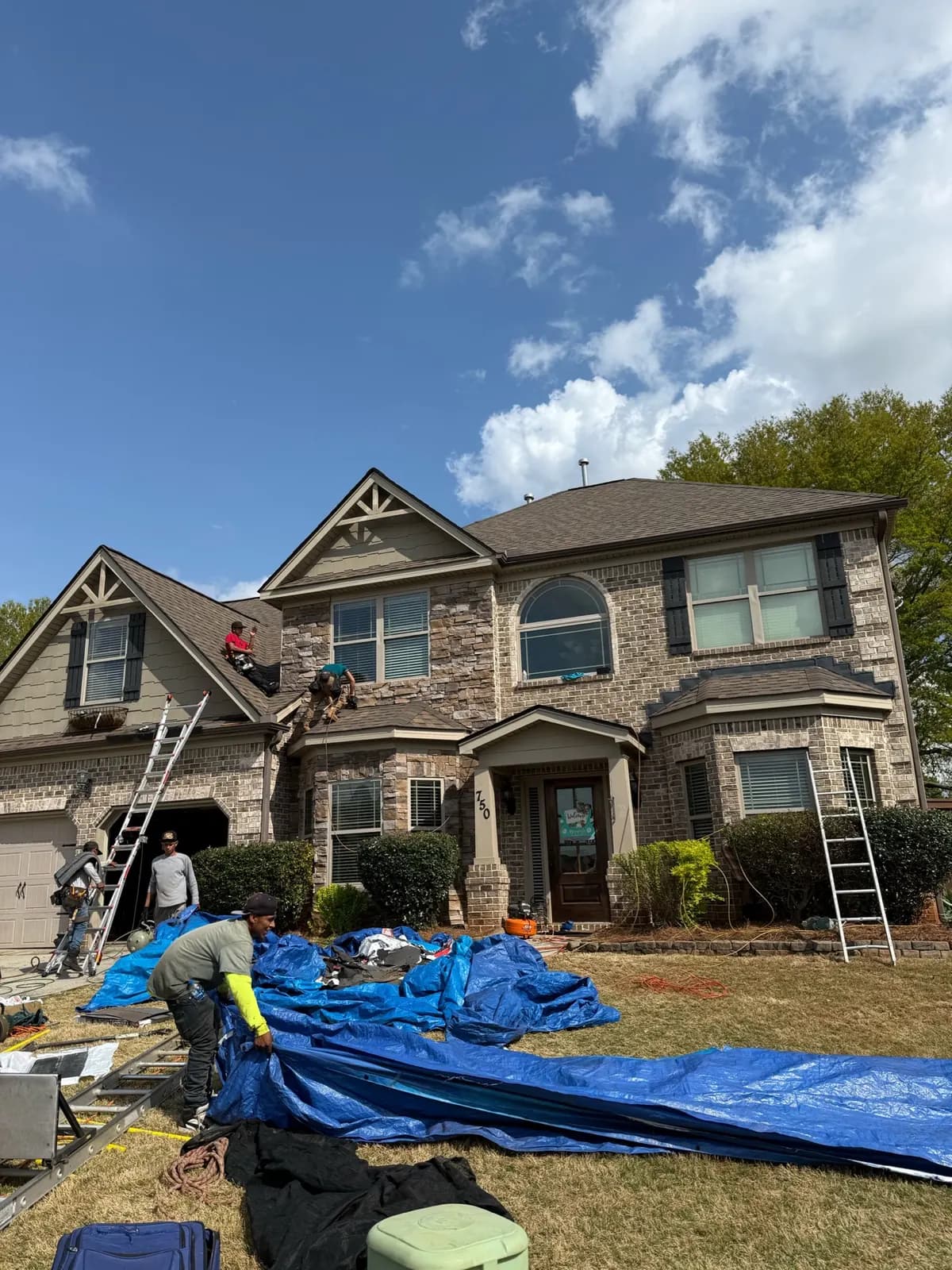
Rhino Roofing residential project with property protection in place

What hail can—and cannot—tell us from the ground

Large or wind-driven hail can fracture an asphalt shingle mat, displace granules, crack ridge material, dent soft metal, or damage skylight and vent components. Smaller hail may leave little or no functional roof damage. The same storm can affect one slope more than another because wind direction and roof angle change impact energy.

A homeowner may see granules near downspouts or dents in a gutter and assume the roof is ruined. Those clues justify a closer look, but they do not decide the scope alone. Rhino inspects the roof material, exposed metal, accessories, slope pattern, age, and other wear so the recommendation is tied to evidence.

01Service guide

How hail affects different roofing materials

On asphalt shingles, meaningful hail damage may show a localized loss of granules with bruising or fracture in the mat below. The mark can feel different from the surrounding surface. Old blisters, manufacturing variation, foot scuffs, tree rub, and general granule wear may create round or dark areas that need to be ruled out.

Metal roofs and accessories may dent without opening. Cosmetic appearance, coating damage, seam condition, fasteners, flashing, and water shedding all matter. A small dent in an open panel is different from a split, puncture, displaced seam, or impact at a vulnerable transition.

TPO and other membranes can be affected by sharp or large impact, especially over a hard surface or aged material. Punctures, cuts, fractured accessories, damaged edge metal, and wet insulation clues are checked. Surface dirt rings should not be called hail damage without a physical defect.

  • Shingle surface

    Granules, mat condition, bruise, fracture, age, and nearby wear are considered together.

  • Ridge and vents

    Exposed caps, metal vents, pipe flashing, and accessories can add context to the storm pattern.

  • Metal surfaces

    Gutters, downspouts, flashing, and panels may show direction and relative impact without proving roof failure alone.

  • Property pattern

    Screens, siding, outdoor equipment, trees, and debris can support or contradict the reported event.

02Service guide

Hail marks versus normal roof aging

Asphalt shingles lose some granules throughout their life. Gutters may collect loose material after installation and as the roof ages. Broad, even wear differs from fresh impact concentrated in a storm pattern. Exposed fiberglass, cracking, brittleness, and old bald areas may still need attention even when they are not new hail damage.

Blisters can form within shingles and later lose their top surface, leaving round marks. Foot traffic can scuff hot shingles or crush granules in repeated paths. Tree limbs create scratches and rub lines. Mechanical damage around service areas may be directional. Rhino compares shape, edges, feel, and distribution rather than relying on color alone.

The inspection date matters. A later storm can change a roof after an earlier report, and old photos can help distinguish new conditions. Homeowners should save ground-level images, hail samples only when they can be collected safely, local weather notices, and the approximate start and end time of the event.

03Service guide

Repairability after a hail event

A small number of damaged accessories or a contained roof area may support repair. The surrounding shingles need enough flexibility to lift and fasten without breaking. Matching color and product availability also affect appearance and scope, although a visible color difference does not make a technically sound repair invalid.

Broad impact across several slopes may lead to replacement, especially when shingle mats are fractured or the existing roof is brittle. The recommendation should identify which roof areas show the pattern and how test locations were selected. A few unrelated marks should not be stretched into a whole-roof conclusion.

Hail may expose pre-existing weaknesses without causing all of them. Old flashing, poor ventilation, repeated patches, and installation defects remain part of the roof's condition. Rhino explains how those items affect repair integration and which parts may fall outside storm-related work or insurance consideration.

04Service guide

Hail documentation and insurance roles

Rhino can photograph representative roof conditions, identify slopes and accessories, write an assessment, and prepare a roofing scope. If the owner files a claim, Rhino can meet the adjuster and show the documented areas. The carrier determines whether the policy covers the damage and how the estimate is settled.

The homeowner should understand the deductible, loss date, reporting duties, depreciation, exclusions, and claim history through the carrier or insurance professional. Rhino may discourage a claim when evidence is minor or the likely repair sits near the deductible. That advice keeps the decision tied to value instead of sales pressure.

Avoid a contractor who promises approval, offers to hide the deductible, or asks for broad rights before explaining the roof. Read every document and keep copies. A roofing agreement, insurance scope, supplements, invoices, and warranty each serve different purposes and should not be blended into one vague promise.

05Service guide

What happens after hail repair or replacement

Keep pre-work and completed photographs, material labels, color, invoices, carrier correspondence, and warranty information together. Mark which slopes and accessories were changed. Future inspections can then compare new storms with a known baseline instead of treating every old dent or patch as current damage.

Manufacturer material coverage and Rhino's five-year labor warranty address different risks. Labor coverage applies to Rhino's installation workmanship. A later hailstorm, falling branch, added penetration, or another contractor's damage is a new outside event rather than an original workmanship issue.

After severe weather, check from the ground for broken skylights, loose vents, fallen limbs, displaced ridge material, and debris. Do not walk the roof to search for small impact marks. Call when the property pattern or interior symptom gives a reason for another safe inspection.

06Service guide

Hail records for a future sale or inspection

A past hail claim may come up when a home is sold, refinanced, or insured again. Keep the original inspection, carrier estimate, proof of deductible and payment, contractor invoice, completion photos, material information, and any permit or warranty documents. These records show what was damaged and what work was actually completed.

If only selected slopes or accessories were repaired, state that clearly. A future buyer should not have to infer that the entire roof was replaced from one invoice. Rhino's photographs can identify repaired areas and establish a date for the remaining material, helping a new inspection compare present wear with the old event.

Unrepaired cosmetic metal dents may remain after the functional roof work is closed. Document why they stayed and whether the carrier addressed them. Clear notes prevent an old gutter or panel mark from being presented later as fresh evidence of a new storm or an installation defect.

How we approach it

Compare the storm report with the roof pattern

A hail assessment moves from event history and collateral clues to material testing, repairability, documentation, and a proportionate scope.

  1. 01

    Collect event context

    Date, time, wind, hail reports, safe photos, interior symptoms, and prior roof records create a baseline.

  2. 02

    Inspect representative areas

    Slopes, shingles, ridges, vents, soft metal, membrane or panels, and non-hail wear are compared.

  3. 03

    Set and document the scope

    Repair, replacement, monitoring, or no storm work is explained with photos and insurance roles kept clear.

Helpful answers

Roof Hail Damage Repair questions

Hail questions need a physical roof pattern and honest limits; weather reports alone do not prove damage to every property.

Do dents in my gutters prove the shingles have hail damage?

They can support the event history, but they do not prove functional damage to the roof covering by themselves. Rhino compares gutters and other collateral surfaces with representative shingle or membrane conditions across the property.

Are missing granules always caused by hail?

No. Age, foot traffic, blisters, installation, manufacturing variation, tree rub, and ordinary weathering can remove granules. Fresh hail damage needs a consistent mark and distribution that fit the material and storm.

Can hail damage be repaired instead of replacing the roof?

Sometimes. Repair may fit limited damage on a roof with workable surrounding material. Widespread fractured shingles, broad affected slopes, brittleness, or compatibility limits can make replacement the stronger option.

Will Rhino say I need a claim after every hail inspection?

No. Rhino takes a conservative approach and may recommend a small direct repair, monitoring, or no storm work when the evidence does not support a useful claim. The homeowner and carrier make the policy decision.

Ready when you are

Get the hail pattern documented without the pressure.

Call Rhino for roof hail damage repair in Taylors, SC and a careful comparison of impact, normal wear, repairability, and claim needs.