Rhino Roofing & Restoration

Storm Damage Roof Repair in Taylors, SC

Storm damage roof repair in Taylors, SC should start with a safe inspection and a clear record of what changed. Rhino separates new storm damage from ordinary wear before recommending a repair or claim conversation.

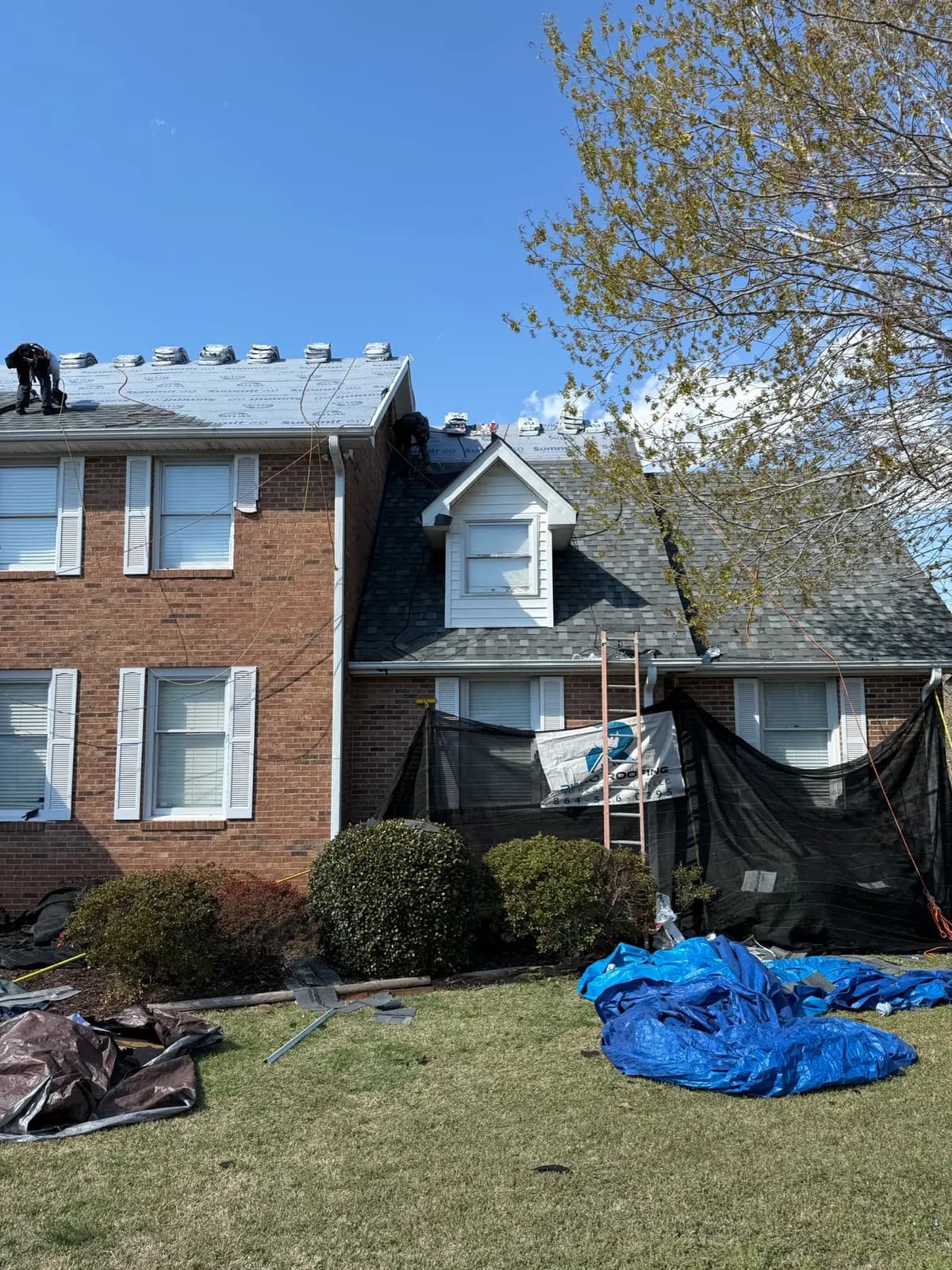
Residential roof project with protective tarps in place

What a strong Upstate storm can do to a roof

Wind can lift shingles, break their seal strips, crease the mat, loosen ridge pieces, and pull at metal edges. Hail may bruise or fracture a shingle surface and mark vents or soft metal. Tree limbs can puncture the covering, crack the deck, or load framing. Driving rain may also expose an older flashing defect that was already close to failing.

Rhino begins with the reported weather and what the owner noticed afterward. Construction and roofing experience helps the team compare the roof pattern with wind direction, slope exposure, impact marks, installation quality, and age. The finding may be storm damage, normal wear, an old repair, or a mix of conditions that need separate treatment.

01Service guide

Safe steps after the storm passes

Stay away from downed lines, fallen trees, loose metal, sagging ceilings, and any area where the structure may have shifted. Do not climb onto a wet roof. Take photographs from the ground or through a safe window only when doing so does not place you beneath damaged material.

Inside, move people and belongings away from active water. Water near fixtures, outlets, panels, or appliances creates an electrical concern that may require the power company, fire department, electrician, or another emergency service. A bucket is useful only when it can be placed without standing beneath unstable drywall.

Rhino's normal office hours are Monday through Friday, 8:00 AM to 5:00 PM. The company does not advertise a 24-hour response. For dangerous after-hours conditions, protect people first and use the appropriate emergency or available mitigation service. Rhino can inspect and plan roofing work during business hours.

  • Ground-level photos

    Record displaced material, fallen limbs, exterior impact, and visible openings without climbing.

  • Interior record

    Photograph active water, ceiling changes, and affected rooms while staying clear of hazards.

  • Storm details

    Save the event date, approximate time, wind direction, hail reports, and when symptoms appeared.

  • Damage control

    Keep reasonable temporary-work and drying receipts with the property or claim file.

02Service guide

How Rhino checks for wind and impact damage

A wind inspection looks for missing shingles, lifted tabs, broken seals, creases, exposed fasteners, loose ridge caps, displaced flashing, and damage along eaves or rakes. The most visible missing piece may not be the only affected area. Wind pressure changes at corners, edges, peaks, and roof shapes.

Impact inspection includes shingles, metal vents, gutters, downspouts, ridge material, skylights, and other surfaces that can provide context. Hail marks need a pattern that fits the event and material response. Blisters, foot traffic, granule loss, manufacturing variation, and old mechanical damage can look similar from a distance.

Fallen branches require a wider view. The covering may be cut while the deck or framing beneath is also cracked. Leaves and small debris can hide openings in valleys or behind roof features. Rhino checks the impact area and the path the branch took rather than limiting the review to the first broken shingle.

03Service guide

Temporary control and permanent storm repair

A tarp or temporary membrane may reduce water entry when conditions allow safe placement. It is not the finished roof repair. Fasteners used to hold temporary material create their own openings, and the covering may conceal the reach of damage until calm, dry weather permits closer work.

Permanent repair begins after the damaged layers are understood. A small wind-affected group may be removed and woven into serviceable shingles. A branch opening may require deck replacement and new underlayment before the surface is restored. Bent flashing or loose metal needs secure integration, not only a line of sealant.

Interior drying and finish repair can continue on a different timeline from roofing. Wet insulation, drywall, flooring, and belongings do not dry when the exterior is closed. Rhino keeps the roof scope clear and tells the owner when another restoration, structural, or electrical professional should address work outside the roofing trade.

04Service guide

When an insurance claim may—or may not—fit

Rhino does not advise filing a claim for every storm mark. A limited repair near or below the deductible may create paperwork without a useful insurance benefit. The homeowner should review the policy, deductible, loss date, duties after damage, and claim history with the carrier or insurance professional before deciding.

When damage is substantial and appears tied to a covered event, Rhino can provide roof photographs, measurements, a written assessment, and a repair or replacement scope. The company can meet the adjuster and discuss roofing conditions. The insurance carrier still decides coverage, pricing rules, depreciation, and payment under the policy.

Avoid promises that a roof is free, that a contractor can waive a deductible, or that a claim will be approved before the carrier reviews it. Honest claim support keeps the roles separate: Rhino documents and prices roofing work, the owner reports the loss, and the insurer makes the policy decision.

05Service guide

Repairing one area or replacing a storm-damaged roof

Contained damage may support a focused repair when matching material is available and surrounding courses remain flexible. Rhino checks whether new pieces can be integrated without breaking the old roof and whether the repair restores the full water-shedding detail beneath the visible surface.

Replacement may become more practical when storm damage covers many slopes, the roof is already brittle, repairs would create widespread color or compatibility problems, or old installation defects make local work unreliable. The event does not erase pre-existing wear, so the recommendation should explain how both conditions affect the scope.

After work, keep the storm report, carrier papers, invoices, photographs, material information, and warranty documents together. Note which roof sections were repaired and which remained unchanged. That file helps with later weather events and prevents a future contractor from treating old documented marks as brand-new damage.

06Service guide

Choosing a roofing contractor after a storm

Storms bring urgent sales calls and contractors from outside the area. Ask for the business name, local contact, licensing or registration information that applies, insurance, written scope, material system, payment terms, and labor-warranty details. Do not sign a broad agreement simply because someone found a mark during a door-to-door visit.

A contractor should be able to explain which conditions appear storm-related, which were already present, and why the proposed work fits the roof. Rhino is based on Rutherford Road in Taylors and has Greenville-area roots dating to 1988. That local accountability matters when a question appears after the storm crews have left town.

Read insurance and roofing documents separately. The carrier's estimate is not a workmanship contract, and the contractor cannot decide policy coverage. Keep the deductible visible, require written change approval, and know who will inspect active installation. Clear roles protect the homeowner when the project moves from storm report to construction.

How we approach it

Inspect the pattern before setting the storm scope

Storm work moves from safety and documentation to cause, repairability, insurance choice, and permanent roofing work.

  1. 01

    Record the event

    Date, weather, safe photos, interior symptoms, visible debris, and temporary work create the first timeline.

  2. 02

    Inspect the roof pattern

    Wind, impact, flashing, deck clues, age, prior repairs, and ordinary wear are compared across roof areas.

  3. 03

    Repair and organize records

    The agreed work is completed, and roofing photos, scope, material details, and claim documents stay connected.

Helpful answers

Storm Damage Roof Repair questions

Storm decisions become clearer when safety, roof evidence, repairability, and insurance roles are handled separately.

Should I file an insurance claim before Rhino inspects the roof?

You may contact your carrier at any time, but an inspection can help show whether the visible condition appears substantial or may be a smaller repair. Policy deadlines and duties belong to the carrier, so do not delay required notice while waiting on a contractor.

Can Rhino meet the insurance adjuster?

Yes. When a legitimate storm concern supports a claim, Rhino can meet the adjuster, point out documented roofing conditions, and discuss measurements and scope. The adjuster and carrier still decide coverage under the policy.

Does Rhino provide 24-hour storm response?

Rhino's listed office hours are Monday through Friday, 8:00 AM to 5:00 PM, and the company does not advertise 24-hour service. Use emergency services or an available mitigation provider for dangerous after-hours conditions, then call Rhino during business hours.

Can one storm-damaged roof area be repaired?

Yes, when damage is contained and the existing material can accept a durable repair. Widespread damage, brittle material, matching limits, or broad installation defects can make a larger scope more responsible.

Ready when you are

Get a calm, documented look after the storm.

Call Rhino for storm damage roof repair in Taylors, SC and an honest assessment of repair needs and claim documentation.