Rhino Roofing & Restoration

Roof Valley Repair in Taylors, SC

Roof valley repair in Taylors, SC focuses on one of the roof's busiest water paths. Rhino checks the valley lining, adjacent courses, upper roof details, debris, and deck before defining how far the repair must reach.

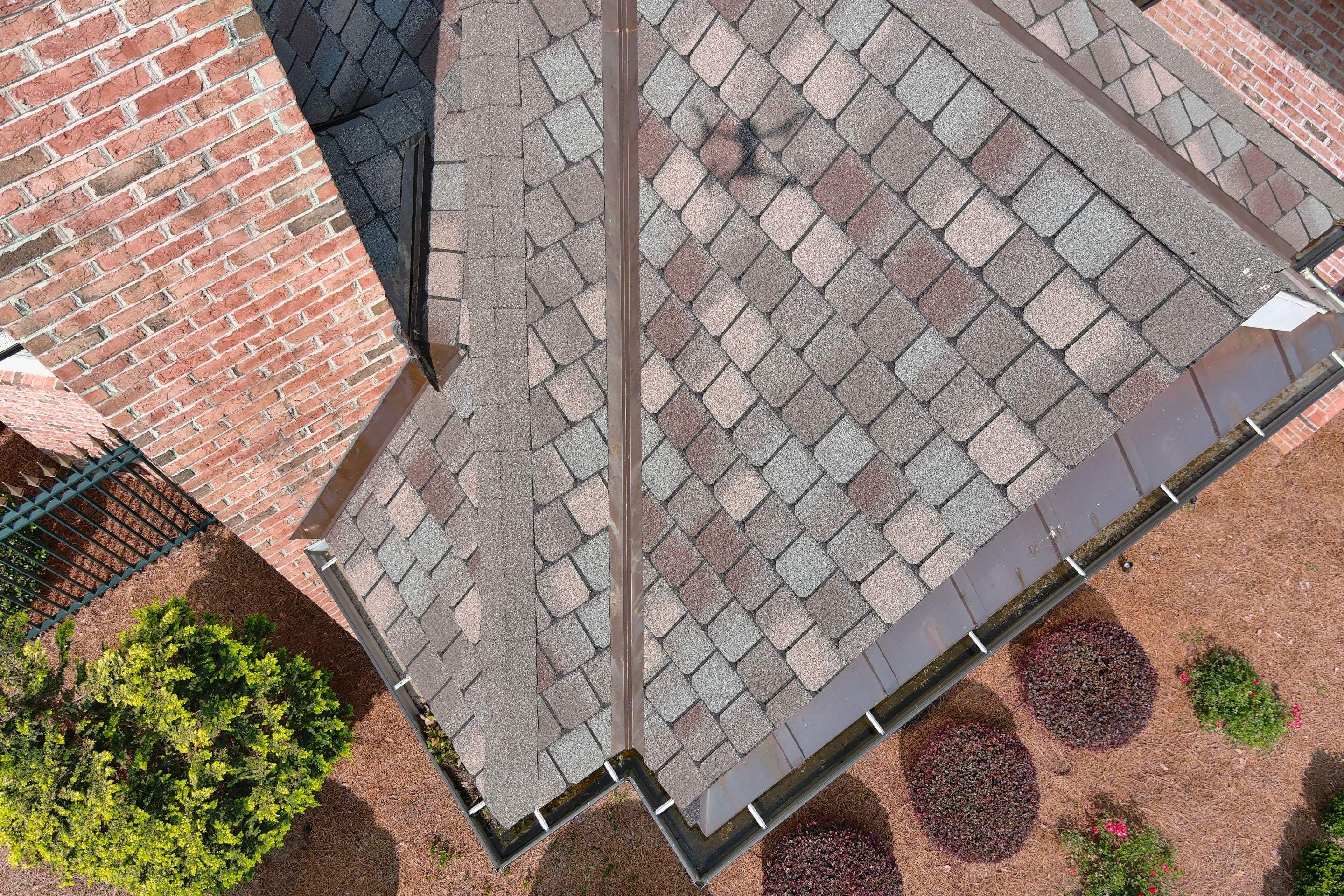
Close view of an asphalt shingle roof installed by Rhino Roofing

Why roof valleys deserve a wider inspection

Two roof planes send their runoff into a narrow channel at the valley. During a strong Taylors downpour, that path may carry far more water than the open shingles beside it. Leaves and granules collect there, snow or hail can strike the exposed line, and foot traffic may damage cuts or metal.

The leak may begin above the point where water appears indoors. A dormer, wall, chimney, upper gutter, or roof transition can discharge into the valley. Rhino follows the channel uphill and reviews both adjoining slopes so the repair is based on the whole drainage path rather than the first worn shingle.

01Service guide

Common roof valley designs

An open valley leaves a visible metal or other approved lining between cut shingle edges. Water flows on the exposed center. Cut lines, fastener placement, metal width, laps, and the way the lining terminates at the eave all affect performance.

A closed-cut valley carries shingles from one slope across the channel and cuts the other side along a planned line. The lower course arrangement and cut location keep water away from vulnerable joints. Fasteners should remain out of the central flow area.

A woven valley alternates suitable shingle courses through the intersection. Not every laminated shingle or roof geometry is a good fit for weaving. Rhino identifies the existing method and material before selecting a repair, since mixing details in one short section can create awkward laps.

  • Flow line

    The center needs a clear path without exposed fasteners, debris dams, or cuts that invite cross-wash.

  • Lining

    Metal, membrane, and underlayment condition matter beneath the visible valley surface.

  • Shingle edges

    Cuts, corners, sealant, fastening, and brittle material affect whether a local repair can be integrated.

  • Discharge point

    The valley should release into a gutter or lower roof detail without backing water under the eave.

02Service guide

Signs a roof valley may be failing

Dark staining, missing granules, cracked or lifted cuts, rusted metal, exposed nails, old cement, and recurring debris lines can show wear. Inside, a stain may follow the valley framing or appear at the lower end where concentrated water reaches an exterior wall.

A leak during heavy rain but not a light shower often points to a detail that struggles under greater flow. Wind-driven rain can also cross a poorly placed cut. The weather pattern is helpful, but valleys sit near many intersecting details, so the roof still needs direct inspection.

Softness beside the channel can mean water has reached the deck. A low spot may hold debris and water, while an unsupported panel edge may move beneath the valley. Rhino treats movement and deck response as part of the repair rather than laying new surface material over an unstable base.

03Service guide

How debris changes valley drainage

Leaves, pine needles, twigs, moss-like growth, and shingle grit can slow water and form a small dam. Runoff then spreads sideways beneath shingle edges or behind a wall detail. Shaded valleys may stay damp longer than the open roof, which increases stress on old cuts and sealant.

Homeowners should not climb up to sweep a steep valley or blast it with a pressure washer. Foot placement can crease shingles and loosen granules in the very area being protected. A roofer can address roof-surface debris safely, while a tree professional should manage large overhanging limbs.

Gutters below the valley need enough open capacity for the concentrated discharge. A clogged gutter can back water at the eave and make a sound upper valley appear to leak. Rhino checks the receiving edge and explains when gutter or site-drainage work must be coordinated outside the roofing repair.

04Service guide

Opening and rebuilding a leaking valley

A proper repair usually removes enough adjacent shingles to expose the working valley layers. Old fasteners, cement, metal, and underlayment can then be inspected. Damaged decking is cut back to sound support before new protective material creates a flat base.

Rhino uses ice-and-water membrane in valleys during replacement work. A local rebuild also needs compatible water protection integrated beneath the surrounding roof. New metal or the selected shingle detail is installed from low to high so every lap sends water onto the layer below.

Brittle surrounding shingles may break as they are lifted, and a discontinued color may not match. The homeowner should understand that risk before repair. A sound valley can remain visually different where fresh material meets a roof that has weathered for years.

05Service guide

Upstream details that can imitate a valley leak

A short upper gutter may overflow directly into the channel. Chimney flashing can release water onto the valley deck. Dormer sidewalls, missing kick-out flashing, skylights, and pipe penetrations may feed the same framing bay. Repairing the lowest wet mark will not stop an opening higher on the slope.

Rhino compares the interior stain with the valley, nearby roof features, and attic tracks when access allows. Water can follow a rafter beside the channel before dropping. Old dry discoloration and condensation remain separate possibilities that should not be called an active valley failure without current evidence.

When siding, masonry, or gutter work contributes to the path, another trade may need to participate. Rhino defines the roofing portion and the connection it needs from adjacent materials. This keeps a rebuilt valley from receiving the same uncontrolled runoff after the crew leaves.

06Service guide

Maintaining a repaired valley

Photograph the completed channel and note which slope courses were replaced. From the ground, watch for new debris buildup or a changed cut line after wind. Keep tree limbs away from the surface and avoid placing holiday anchors or service cables where they cross the drainage path.

After the first heavy rain, check the interior area and the gutter discharge below. An old stain may remain, so mark or photograph its edge before the storm. If active moisture returns, the date and rain direction help Rhino compare the repair with upper roof details.

The repaired valley does not reset the age of the roof around it. Other brittle slopes, old pipe boots, or worn ridge pieces continue to age. Rhino may identify separate watch items without adding them to the valley scope, giving the owner a useful plan instead of a false promise about every roof component.

07Service guide

Valleys where additions and roof materials meet

An addition can create a short valley against an older main roof, sometimes with different deck heights, pitches, shingle ages, or framing planes. Water slows where the intersection flattens or turns. The repair must account for both construction periods instead of forcing one standard cut through an uneven joint.

Metal, shingles, and low-slope membrane may also meet near a valley-like transition. Each material moves and sheds water differently. Rhino plans the upper lap, protective membrane, metal separation, and lower discharge so runoff stays above every system. A bead between two materials is not a substitute for that layered change.

How we approach it

Trace the channel, open the layers, and restore flow

Valley repair follows water from the upper roof through the intersection and out at the eave before material is replaced.

  1. 01

    Inspect the full path

    Valley method, upper roof details, debris, cut lines, metal, interior symptoms, and discharge are reviewed.

  2. 02

    Expose the failure

    Adjacent roofing is removed as needed to check lining, fasteners, underlayment, deck, and hidden water tracks.

  3. 03

    Rebuild downhill laps

    Sound support, protective membrane, metal or shingle details, and surrounding courses are restored in sequence.

Helpful answers

Roof Valley Repair questions

Valley questions involve concentrated flow, hidden layers, and roof features above the visible leak point.

Can Rhino repair only one section of a roof valley?

Sometimes, when the failure is contained and surrounding material can be opened and reclosed. Damage that follows the lining, affects decking, or sits beneath brittle shingles may require a longer valley section.

Why does my valley leak only in hard rain?

Heavy rain increases water depth and speed in the channel. It can expose a high cut, debris dam, cross-wash, low spot, open lap, or backed-up gutter that does not fail during a light shower.

Should I remove leaves from the valley myself?

Do not climb onto a steep or wet roof. Foot traffic can damage valley shingles and the fall risk is serious. Ask a roofer about roof-surface debris and a tree professional about overhanging limbs.

Will the replacement shingles match beside the valley?

An exact visual match may not exist because older shingles have weathered and product lines change. Rhino looks for compatible material and explains the likely appearance before opening the repair area.

Ready when you are

Restore the roof's busiest water channel.

Contact Rhino for roof valley repair in Taylors, SC and a close look at the lining, deck, upper details, and surrounding shingles.