Planning before underlayment goes down
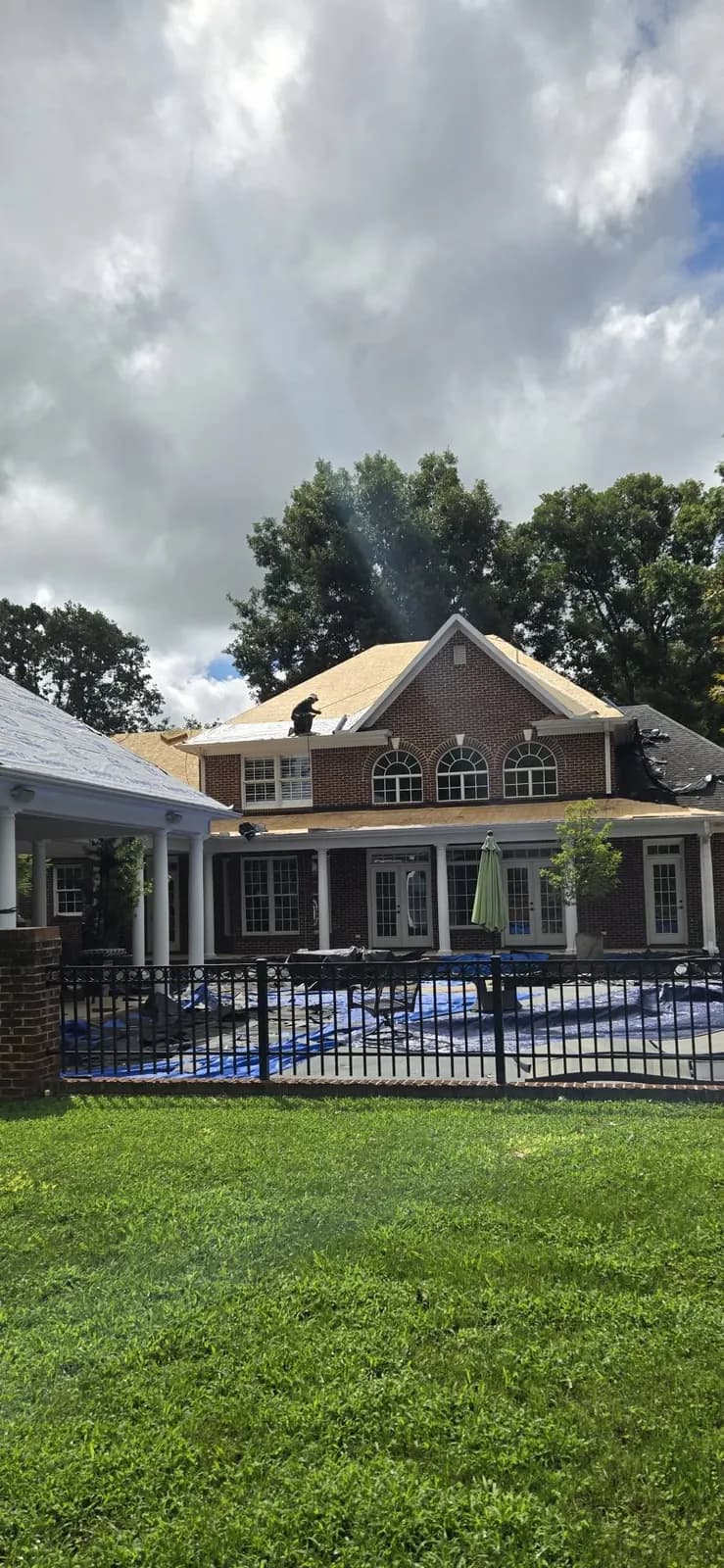
The roof deck should be dry, securely fastened, and ready to receive roofing. Open joints, damaged panels, raised fasteners, and irregular transitions need attention first. Eave and rake edges should also be set up so drip edge, underlayment, and the finished roof can be installed in the correct sequence.
Penetrations need confirmed locations. Plumbing stacks, bath exhausts, attic vents, skylights, and chimneys each create a break in the roof plane. When those details are identified early, the roofer can use the right flashing method instead of adapting around a last-minute opening.
Deck readiness
Sheathing condition, fastening, joints, and roof-plane alignment are checked before they disappear.
Eave protection
Drip edge and protective membranes are sequenced to move water toward the exterior.
Vent layout
Intake and exhaust ventilation are planned as a balanced path, not a collection of random openings.
Trade coordination
Roof penetrations are confirmed so each opening receives the proper boot or flashing assembly.