Rhino Roofing & Restoration

Roof Removal in Taylors, SC

Roof removal in Taylors, SC is the controlled first half of many replacement projects. Rhino plans how old material comes down, how the property stays protected, and how the exposed deck moves safely into the new roof.

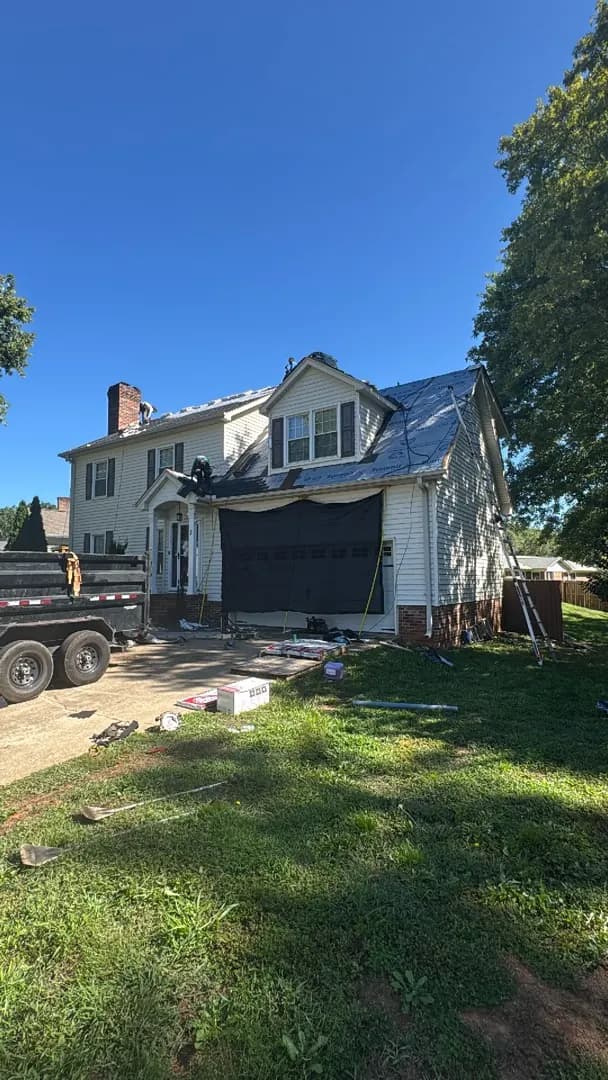
Residential roof removal and preparation in progress

Why removing the old roof can be the right starting point

Old shingles can hide soft sheathing, reused flashing, patched openings, raised fasteners, and earlier installation errors. Removing the covering lets the crew see those conditions instead of transferring them beneath another layer. It also reduces old-roof weight and gives new underlayment and flashing direct contact with the prepared deck.

Rhino checks the number of visible layers, roof pitch, material, access, landscaping, driveway use, nearby structures, and likely debris path before tear-off. Construction experience dating to 1979 helps the team look beyond the surface. Removal, deck work, protective layers, and replacement belong to one coordinated plan.

01Service guide

What roof tear-off reveals

Once field shingles come off, old nail patterns and underlayment show how the roof was built. Large gaps, weak panel edges, delamination, plank spacing, and old repairs become visible. The crew can also see whether leak stains line up with chimneys, valleys, walls, pipes, or earlier penetrations.

Flashing is easier to judge when surrounding courses are open. Step metal may be missing, bent, rusted, or buried beneath sealant. A chimney back pan may be too small. Pipe boots and vent details may have been reused through several roofs. Removal creates the chance to replace weak parts instead of dressing around them.

Not every stain means the deck must be replaced. Old dry marks can remain after a past leak. Rhino considers strength, fastener holding, moisture, panel condition, and support before identifying failed areas. Photographs connect concealed findings to any added scope before new material covers them.

  • Roof layers

    Old coverings, underlayment, fasteners, repairs, and trapped debris become visible during tear-off.

  • Deck surface

    Softness, gaps, broken edges, delamination, stains, and unsuitable attachment areas are reviewed.

  • Hidden flashing

    Wall, chimney, valley, vent, and transition details can be judged before new courses hide them.

  • Old openings

    Abandoned vents, satellite mounts, patches, and unused penetrations can be closed correctly.

02Service guide

Preparing the home and property for roof removal

Tear-off is noisy and sends vibration through framing. Homeowners should secure fragile wall items, protect belongings stored in the attic, and plan a quieter place for pets or anyone sensitive to construction noise. Dust and small debris may enter an unfinished attic through old deck gaps.

Vehicles should leave the driveway before materials, trailers, or dumpsters arrive. Gates need to open, and crews need a clear path around the house. Grills, patio furniture, planters, toys, and delicate decorations should move away from falling-debris zones. Rhino reviews where the owner still needs safe entry during the project.

Landscaping and exterior equipment require reasonable protection, but a roof cannot be removed without an active work area below it. Homeowners should keep children and animals inside or away until the site is released. Air-conditioning units, windows, siding, decks, and neighboring property lines shape the debris-control plan.

03Service guide

Debris control and cleanup during tear-off

Old roofing is directed toward planned collection areas rather than spread around the property. Tarps, containers, chutes, and hand carrying may all have a role depending on height and access. Material cannot block doors, public walkways, fire routes, drains, or the crew's safe movement.

Nails travel farther than large shingle pieces. Cleanup includes visible collection and magnetic passes where suitable, with attention to grass edges, mulch, gravel, driveways, and planting beds. No method can promise that one hidden fastener will never remain, so the area should stay closed to bare feet and pets until final review.

Commercial removal adds occupied entrances, customer parking, rooftop equipment, and daily operations. A property contact should know which zone is active and where removed material will leave the roof. Daily housekeeping reduces windborne debris and keeps drains from collecting loose granules or fragments.

04Service guide

Weather, exposure, and temporary dry-in

The crew watches the forecast and limits removal to an area that can be inspected and protected before weather changes. Upstate showers can build quickly. Opening an entire roof may look fast at the start but creates unnecessary risk if dry-in materials and labor cannot close the same area that day.

Underlayment provides temporary weather protection only when installed and secured for the expected exposure. Open penetrations, unfinished walls, valleys, and material transitions still need attention. A tarp used for an unexpected interruption is not the finished roof and may add fastening holes that the permanent work must address.

If rain reaches exposed decking, the crew needs to judge moisture and material condition before covering it. Sealing visibly wet or swollen wood beneath the new system can trap a problem. Schedule adjustments may be inconvenient, but a dry, stable base is more important than keeping a date that weather no longer supports.

05Service guide

Removal versus installing over an existing roof

Some materials and local conditions may allow an overlay, but permission does not make it the best choice. Existing layers add weight, hide decking, change edge thickness, and affect flashing around walls and penetrations. The old surface may also make new shingles lie unevenly or hold heat differently.

An overlay can reduce removal at the beginning while making future repair and tear-off more involved. Leak tracing must pass through more layers, and old fasteners or curled shingles remain beneath the new covering. Manufacturer instructions, code, roof condition, and the owner's service-life goals all belong in the choice.

Rhino recommends removal when the roof needs a direct deck review, has multiple layers, carries broad failure, or cannot accept the proposed system responsibly. The explanation should identify the condition driving tear-off rather than treating removal as an automatic line item on every small repair.

06Service guide

Handling hidden deck work after removal

Because old roofing blocks the view, proposals should state how concealed deck replacement will be measured and priced. A per-sheet or measured-unit price is common, sometimes with a limited allowance. The owner needs to know who can approve added work when the roof is already open.

Rhino photographs failed areas and relates panel counts or measurements to the change. The new material should match required thickness and receive proper edge support. Damage that reaches rafters, trusses, masonry, or walls may require a revised plan and another qualified trade rather than a larger sheet of decking.

Once sound material is in place, new drip edge, underlayment, ice-and-water membrane, flashing, and roof covering can proceed. Rhino uses added water protection around dormers, valleys, chimneys, and penetrations during replacement work. The purpose of tear-off is fulfilled when the exposed facts improve the roof built above them.

07Service guide

Disposal records and material limits

Removed roofing is heavy and may include shingles, felt, metal, flashing, wood, fasteners, and mixed repair products. Container size and disposal fees depend on layers and material found. The crew should not load a driveway, trailer, or roof edge beyond safe capacity simply to reduce the number of disposal trips.

If old material raises a concern about special handling, testing and disposal requirements should be confirmed before ordinary tear-off continues. Rhino identifies the roofing scope and pauses when an unknown product needs qualified review. A routine replacement schedule should not override worker, occupant, or disposal-site rules.

How we approach it

Protect, remove, inspect, and dry in

A controlled tear-off keeps property preparation, debris, concealed conditions, weather, and new-roof timing connected.

  1. 01

    Plan the work zone

    Access, roof layers, delivery, vehicles, landscaping, occupied entries, weather, and debris routes are reviewed.

  2. 02

    Remove and inspect

    Old material comes off in managed areas while deck, flashing, openings, and hidden damage are photographed.

  3. 03

    Rebuild and protect

    Approved deck work is completed and new protective layers close the exposed section before finished roofing continues.

Helpful answers

Roof Removal questions

Tear-off questions usually concern property protection, weather, hidden wood, and why removal offers value over another layer.

How many roof layers can Rhino remove?

The inspection looks for visible layers, but concealed material may be found during tear-off. Scope, weight, disposal, code, deck condition, and safety change with each layer. Rhino documents unexpected layers before changing the work.

Will roof removal damage my landscaping?

Rhino plans reasonable protection and debris routes, but tear-off creates an active work zone around the building. Moving delicate items and keeping people and pets away helps. The crew reviews cleanup before releasing the property.

What happens if rain starts during tear-off?

Removal is limited around forecast and dry-in capacity. If weather changes, the crew protects the open area with the suitable temporary or underlayment method and reassesses moisture before finished roofing covers the deck.

Can the exact deck-replacement cost be known before removal?

Not always. Attic and surface clues help, but old roofing hides much of the deck. The proposal should explain any included amount, unit price, photographs, and approval process for concealed work.

Ready when you are

Start the new roof with a controlled tear-off.

Call Rhino about roof removal in Taylors, SC and a plan for property protection, deck findings, cleanup, and same-project dry-in.